译文
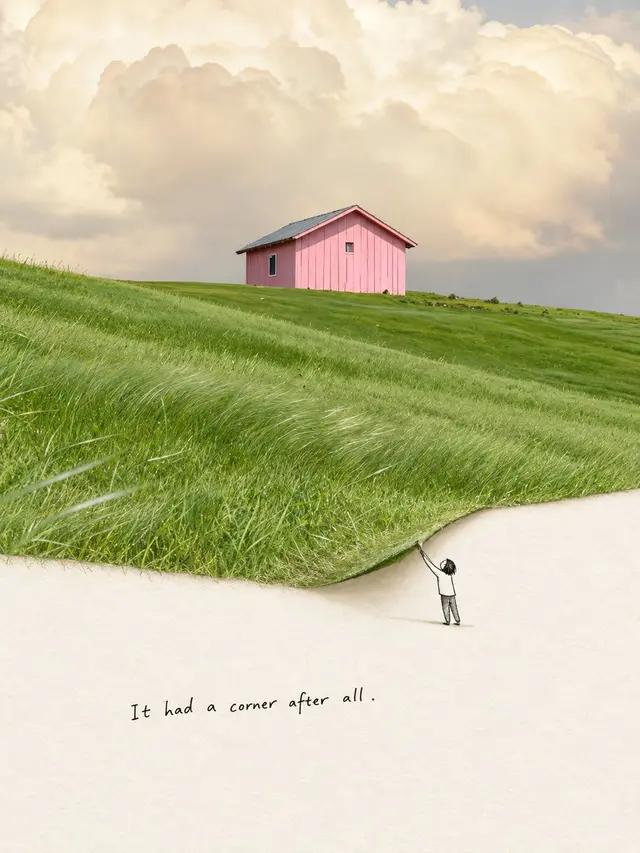
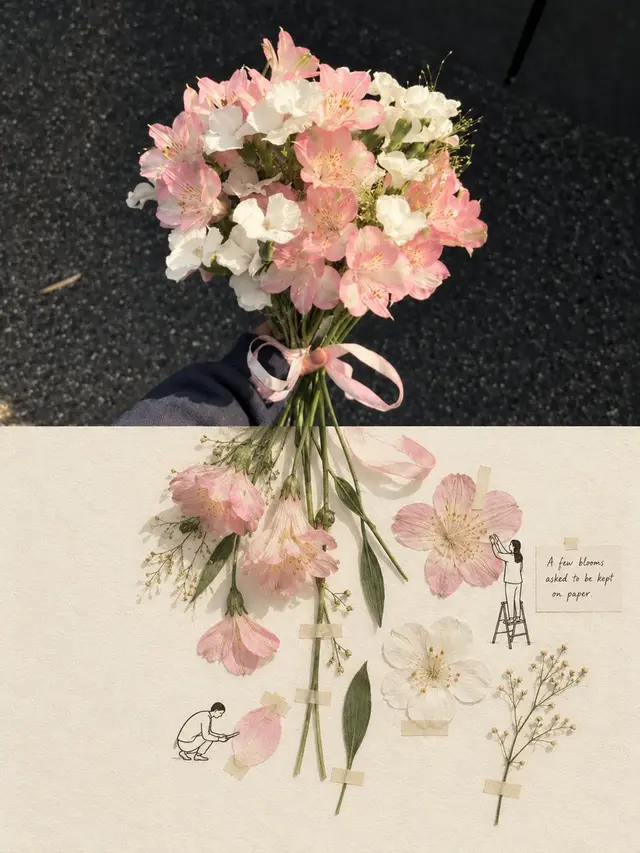
Based on each of the photographs you upload, create an independent 3:4 vertical "Second World" conceptual surreal photography illustration poster for each, outputting them separately without collage. The overall height and width should strictly adhere to a 1:1 ratio. The upper part is the original real-life photograph, and the lower part is another layer of space that grows out of the photograph; they are not simply stitched together but exist as a continuous presence in different narrative layers at the same moment.

The upper part should retain the original photograph as accurately as possible, without altering the subject, action, spatial relationships, light, color, or real texture. Only necessary proportional cropping and slight advanced tonal adjustments should be made to give it a clean, restrained, and independent publication-quality photography feel.

The focus of the creation is not on the "theme" but on the reinterpretation of visual structure. First, observe the most decisive structural clues in this photograph, such as boundaries, slopes, water surfaces, reflections, shadows, cracks, roads, branches, clouds, contours, gaps, flow, repetitive rhythms, spatial turns, or character postures; find the part most suitable for "crossing over." Then let it break through the boundaries of the photograph and enter the lower part, where it undergoes a translation in function, scale, semantics, or narrative role. It is not a simple extension but allows something real in the first layer to become another existence that can be used, entered, measured, retrieved, repaired, organized, borrowed, expanded, or collected in the second layer.

The lower part is a warm, quiet space with a subtle paper texture in warm beige, with ample white space. It is not an illustration background or a decorative area but a place to accommodate the "new logic after crossing over." The relationship between the upper and lower parts should be: Reality → Crossing Over → Translation. The fun of the image comes from a clever and accurate cross-layer narrative, not from cute decoration.

Minimalist black hand-drawn line art characters can be added, but they should be few and precise, 0–3 at most. Characters are not decorations but users of the second world; they must have a real interaction with the translated structure. The lines should be light, simple, and natural, with a slight handmade feel, without being cute, complex, or overshadowing the subject. The actions should be specific, restrained, and clever, as if they are dealing with a small matter that already exists in this world.

A brief English handwritten caption can be added, but it must be generated based on the "second world event" that truly occurs in this image. The tone should be like a casual note or a soft narration, with a touch of humor and aftertaste, not inspirational, without explaining the meaning, and not following a template.

The overall style should present a combination of Mixed-Media Photo Illustration, Surreal Photomontage, Frame-Breaking Illusion, Trompe-l'œil, Visual Metaphor, and Conceptual Editorial Illustration. That is: using cross-media collage as the form, the crossing of the image as the mechanism, visual metaphor as the core, and a gentle, slight, and clever micro-surrealism as the emotional tone.

Do not create a template image with a small figure and a sentence at the bottom; do not have extension without translation; do not have form without metaphor; do not force emotion; do not have a commercial advertisement feel, complex illustration feel, repetitive actions, decoration without basis, mechanical collage, rigid connection, or cheap healing style.

Final goal:
Allow the viewer to first see a real photograph and then suddenly discover that an element in it has crossed over into another layer of space, where it acquires an unexpected yet extremely natural new meaning. It is not to add creativity to the photograph but to reveal the latent second reality that originally exists within it.
 桃子AI画廊Tao Image Gallery