译文
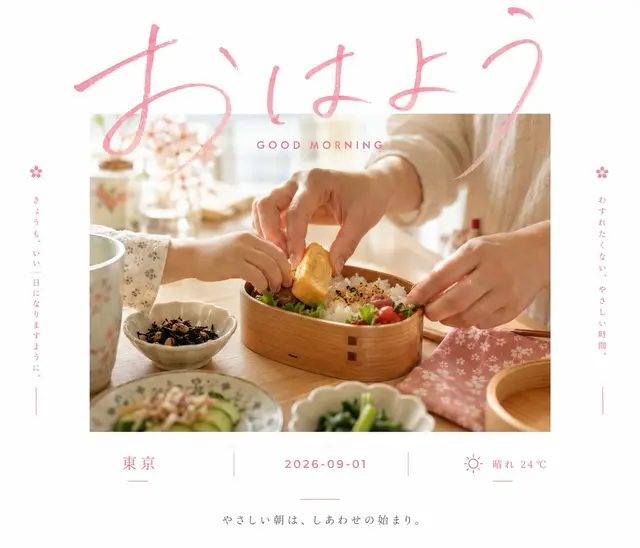
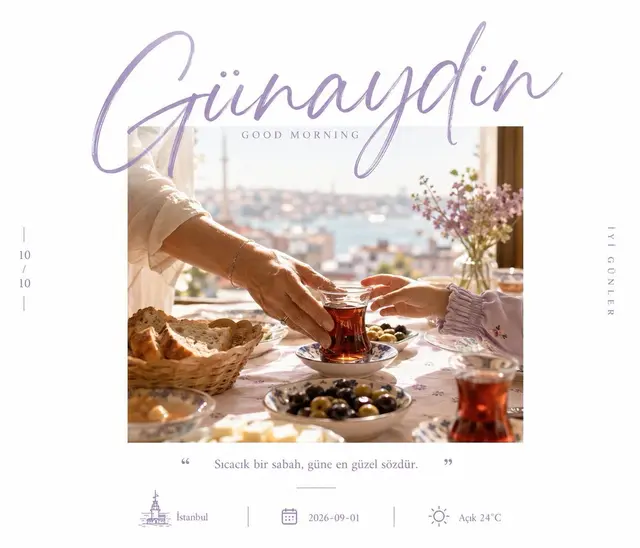
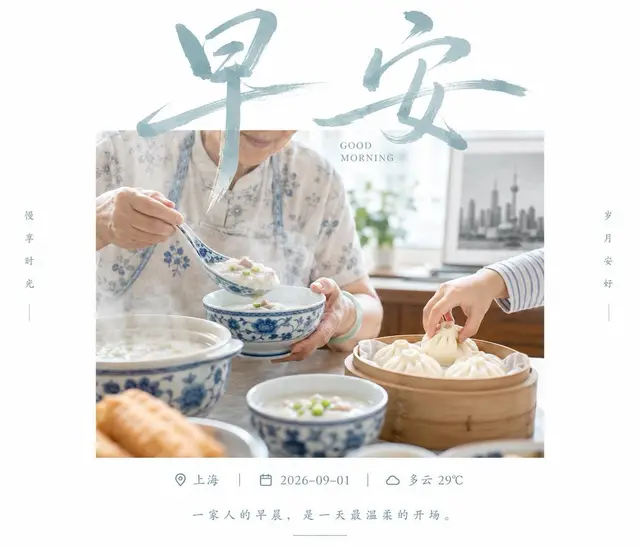
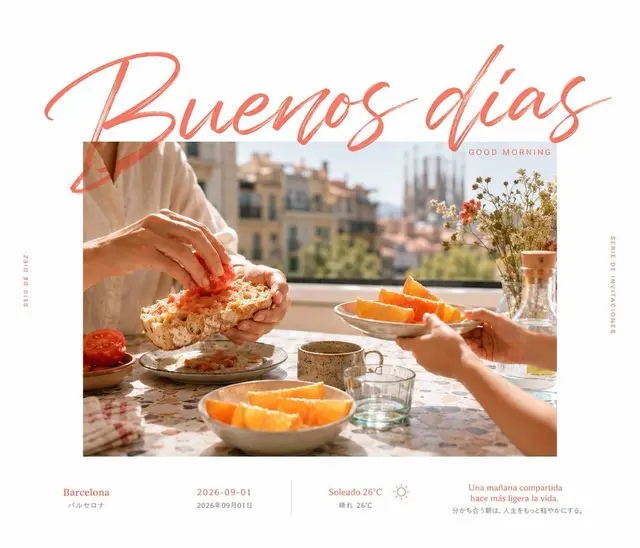
Create a fresh and restrained ritual invitation visual centered around [theme object]: The image features a large area of bright, clean whitespace as the main focus, with a sharp-edged close-up image area placed centrally. The theme object is only presented with the most emotionally charged parts and action relationships, allowing the viewer to first read intimate, committed, or commemorating moments, and then the information. The main title uses a relaxed, speed-driven handwritten brushstroke, with clearly enlarged letterforms, spanning across the top edge of the image area and slightly overlapping the image, forming the first visual memory of text pressing onto the image; the title does not need to be neatly aligned, but should have the起伏, connected strokes, varying thickness, and transparency overlay of real handwriting. On both sides, a minimal amount of small information text can be placed, vertically close to the blank boundary, balancing a sense of order and breath. The bottom information is arranged in a more stable fine font or small handwritten style, with a central extremely thin line creating a pause. Colors are extracted from the theme's material, emotions, and ritual context, retaining high luminance clean background, clear light and dark structure, a small amount of cool emphasis colors, and the relationship with a large area of blank space, making the overall image bright and light, clear, and tranquil; emphasis colors only take on the emotional role of the title and key information, while the main image carries the true texture and light and dark contrast, avoiding turbidity, outdatedness, or excessive decoration. The overall completion should be like a designed private invitation, with the focus on the overlapping tension between the image局部 and the large handwritten title, the sparse information rhythm, the clean airiness, and the ritual feeling in the blank space.
 桃子AI画廊Tao Image Gallery