译文
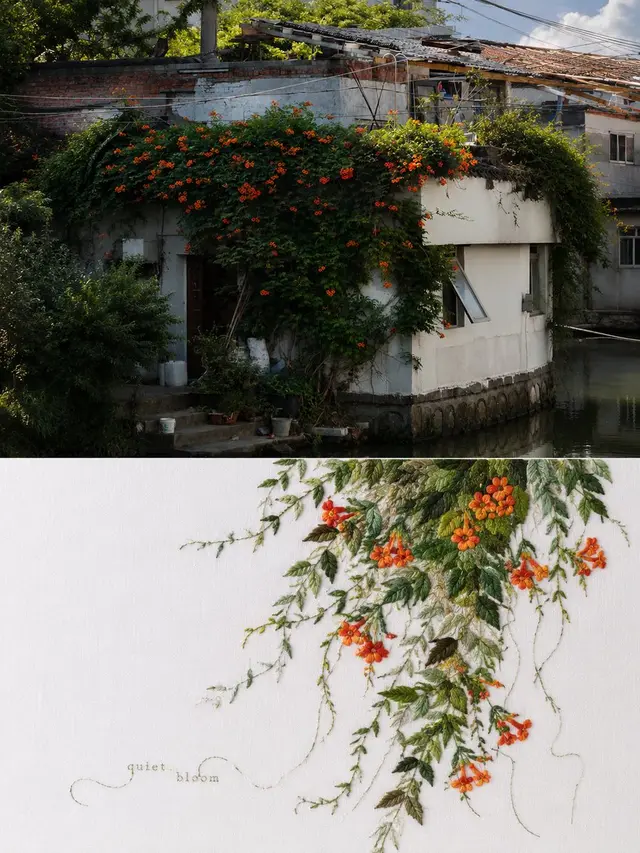
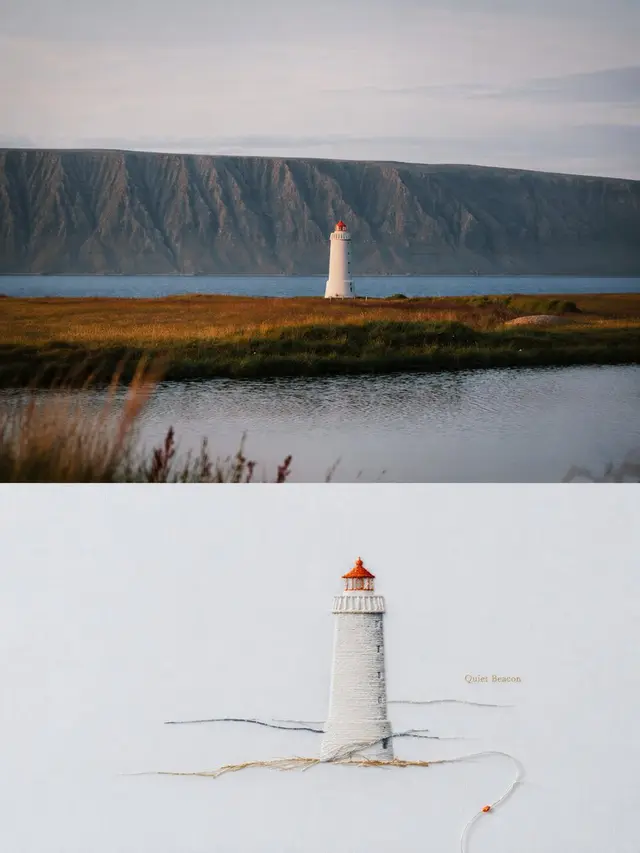
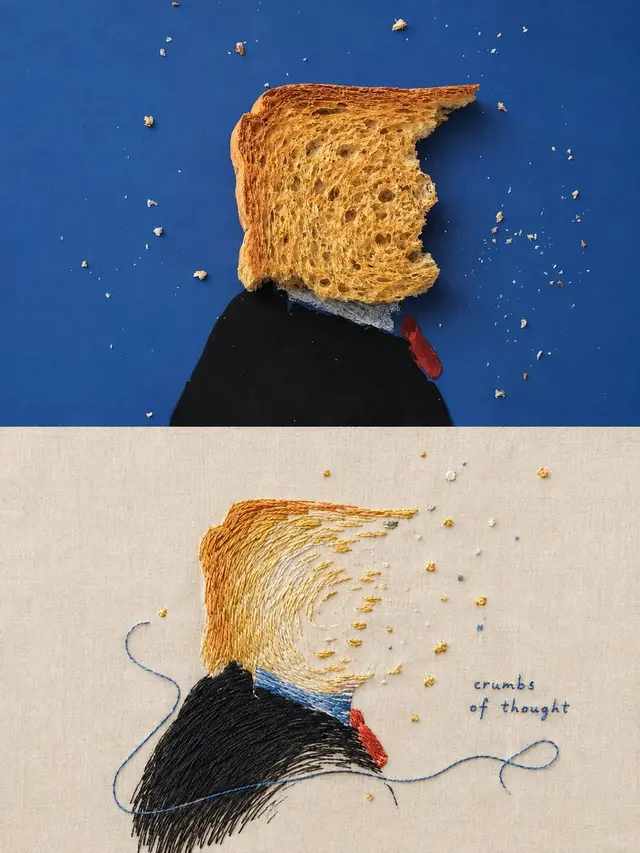
Please create an independent, high-end design poster for each photo you upload, without combining multiple images. Each photo should be output separately. The overall composition should be in a 3:4 vertical format, with the top and bottom sections each having an equal height, occupying 50% of the image.

The top section retains the original photo, maintaining the subject structure, realistic texture, natural lighting, and original color atmosphere. Only a slight advanced photography color grading is applied to give it the texture of an art magazine, an independent publication, and exhibition photography. To fit the frame, the sky, ground, or environmental background can be naturally expanded, but the subject must not be stretched, distorted, or altered.

The bottom section first understands the true core spirit, emotional relationship, and potential meaning of the original image, then extracts the most recognizable subject, outline, posture, and narrative relationship. Only choose one image that best represents the core meaning of the entire photo for a Chinese embroidery-style reconstruction. Do not embroider the entire photo or convert all scenery into embroidery; boldly delete secondary information, and use a posture, a segment of an outline, a relationship, an action, or a symbolic local area to carry the core of the entire photo. When looking at the bottom part, people should not only recognize "what it is" but also feel what the original image is "expressing."

The embroidery language integrates the traditional Chinese embroidery's silk layering, needlework changes,虚实 relationships, and Eastern blank space, using different stitches such as plain stitch, long and short stitch, looping, wrapping, seed stitch, and pressing. The direction, density, and layers of the thread should change according to the shape of the subject. Some parts can be detailed, while others can leave only a few stitches, a line, or an incomplete outline, allowing "embroidery and not embroidery" to constitute the picture. The real silk luster, direction of the needlework, overlapping lines, and slight manual errors should be presented, but avoid full-page traditional patterns, craft display, and digital fake embroidery.

The composition emphasizes selection, blank space, artistic atmosphere, and vitality. The position, scale, cutting, and density should be freely arranged according to the subject's center of gravity, action, gaze, trend, and emotion. It can be off-center, suspended, partially enlarged, go beyond the boundary, or only appear in part, allowing a small amount of embroidery to form tension with a large blank area; a loose thread, an incomplete edge, or a small patch of color can also carry emotions. The blank space should be like air, distance, pause, and aftertaste, not a space waiting to be filled.

The background must be clean, bright, and with a sense of air. Do not use beige, gray beige, old linen, or dirty light colors by default. Adaptively choose clean white, cold white, soft ivory white, extremely light color, or a clear silk fabric background with a clear comprehensive color tone according to the color temperament of the upper photo. You can also use a bolder but pure colored background when it is suitable for the original image. The background allows the faint texture of silk, brocade, or fabric to be seen, but not yellowing, graying, getting dirty, aged, or stained. The sense of handcraft in embroidery comes from the silk and the needlework, not from the dirty and old background.

The color scheme does not have a fixed color card. Find the most vibrant, most vital, and most representative color relationship in the original image, and then transform it into the unique flexible silk thread color scale of Chinese embroidery. Do not average out the colors of the photo, but retain the truly meaningful main colors, and allow the same color to subtly shift between warmth, depth, brightness, and purity. Through the interweaving of similar colors, a few complementary color points, high-purity small areas of bright color, and different needle directions, the shimmer of the silk thread is produced. The color can be fresh, vivid, rich, soft, or simple, decided by each original image; rich but not chaotic, bright but not gaudy, soft but not gray, traditional but not rigid.

Text is only used as a light editing highlight, extracting a very short English word or phrase from the emotions, actions, relationships, or metaphors that are not directly said in the original image. Fine line embroidery, slender tags, or minimalist small characters can be used, allowing the text to follow the thread path, embed in the negative space, close to the subject edge, or even become part of the composition like a thread; it is few but meaningful, not a descriptive label, and does not compete with the main embroidery subject.

The overall pursuit is one image, one core, one image: first understand the original image, then choose the most worthy things to be left; other elements can be abandoned rather than piled up for richness. The final presentation is the unique flexible color, silk luster, Eastern blank space, implicit meaning, and contemporary editing design sense of Chinese embroidery, clear, spiritual, emotional, and full of vitality. Avoid full-image replication, element stacking, dirty beige background, yellowed old fabric, fixed Chinese style color scheme, full-page embroidery, cultural and creative product sense, and template sense.
 桃子AI画廊Tao Image Gallery