译文
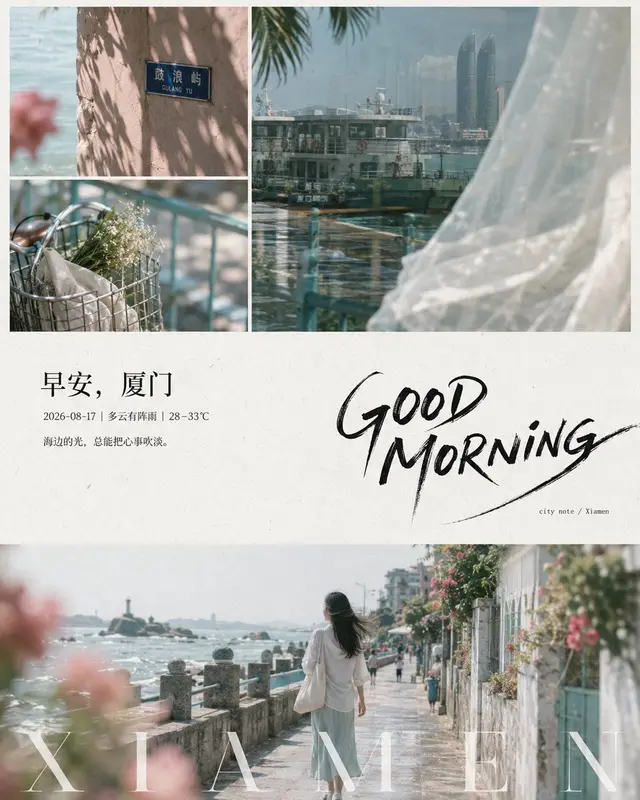
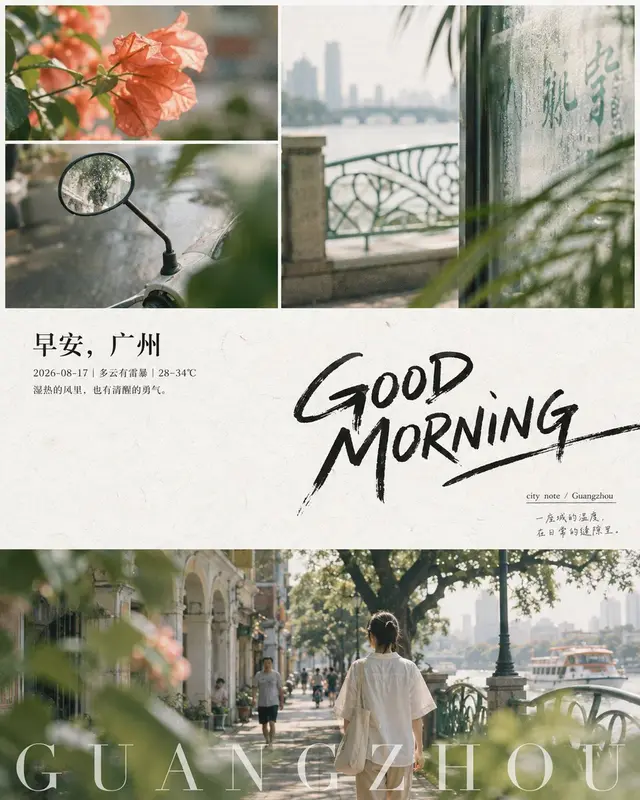
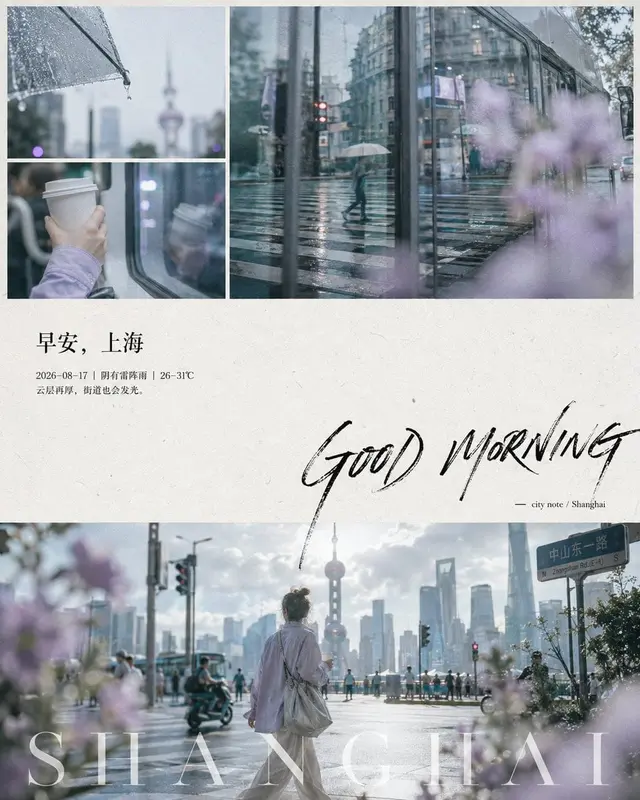
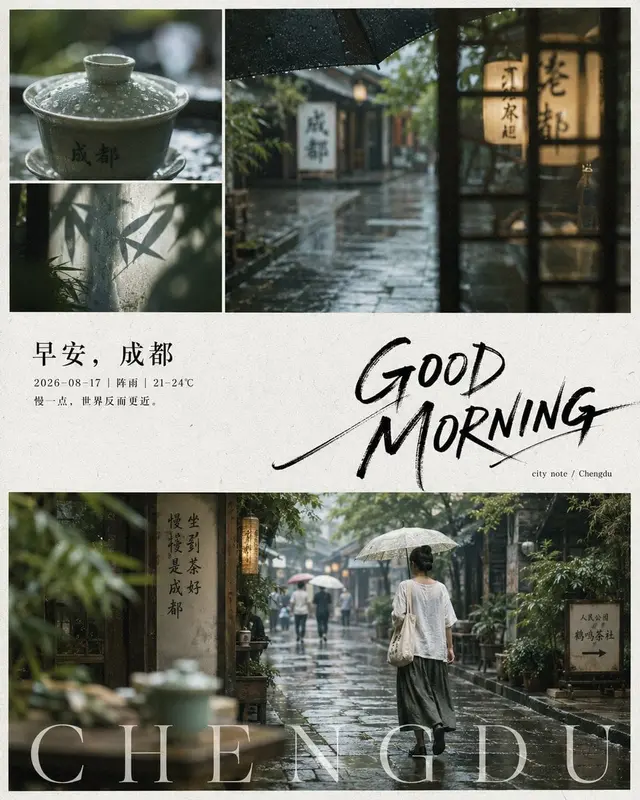
[Future Theme] provides characters, environment, objects, date, and a short sentence content, and allocates them into a narrative of "Local Perception - Pause - Full Entry": The first glance must be captured by two groups of soft images enclosing a large blank white paper, with a middle section featuring a small amount of black text to create a quiet but striking editorial pause. The upper section uses an asymmetric three-panel collage, with one side stacking two close-up fragments and the other side featuring a larger immersive local view; the bold cuts allow the subject to be obscured by edges, foreground shadows, or repeated small shapes, establishing the atmosphere with scattered tactile elements. The lower section uses a broad main scene to accommodate the theme, with characters or core objects facing away, sideways, or in motion, without posing, preserving ample environment and foreground bokeh to make the viewing feel like an accidental record. The central blank paper maintains a relaxed breath: the upper left contains two short sentences, the main sentence being a restrained book text, the secondary sentence smaller, lighter, and with tight line spacing; the lower right contains a large, free-form title, with variations in thickness, slightly rough edges, open word shapes, loose connections, long strokes, and diagonal extensions to create a sense of gesture, accompanied by a few small annotations and quotes or emphasis symbols compatible with the target text's typography. Regardless of the target text's writing system, the recognizable character shapes are maintained along its natural reading direction; continuous writing should not be forcibly disconnected, and the spacing of words can use variations in density to establish rhythm. At the bottom, the image edges overlay a line of formal high-contrast display text, which is light and transparent or engulfed by the highlights; the text with permissible spacing uses wide spacing, while text that cannot be split uses word spacing, line length, and fine weight to achieve an equal sense of air. The image is unified in a natural daylight, light yellow, and low saturation blue film tone, with bright areas in milk white, low contrast, and fine grain; the soft blur and light mist in the foreground come from a real depth of field; the white background retains very light paper fiber, printing gray stains, and an incomplete cleanliness. A white narrow line connects the photo collage with the paper surface, allowing the softness of photography and the decisive boldness of black handwriting to complement each other. Avoid commercial-level sharpening, vibrant filters, perfect centering, even columns, excessive decoration, fake aging, strong gradients, and plastic-like smoothing.
 桃子AI画廊Tao Image Gallery