译文
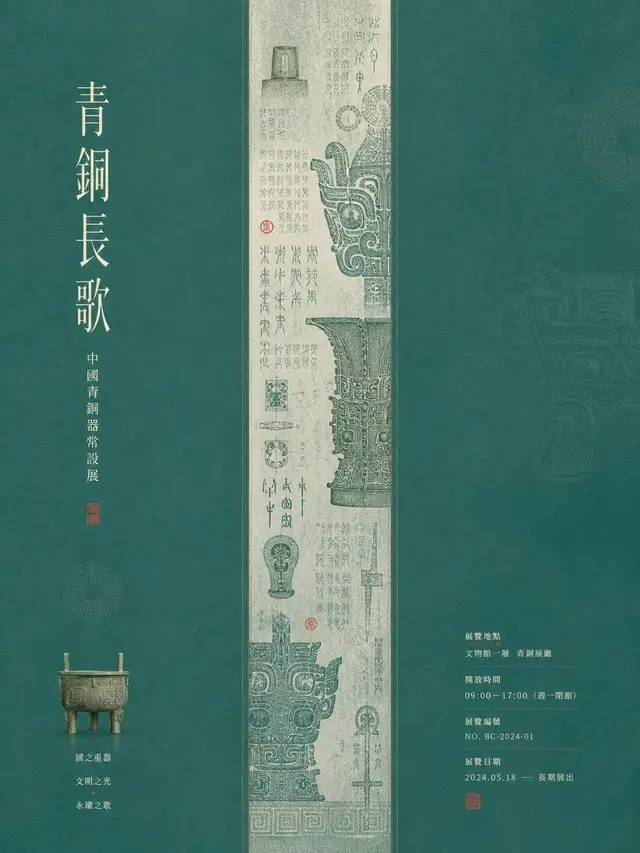
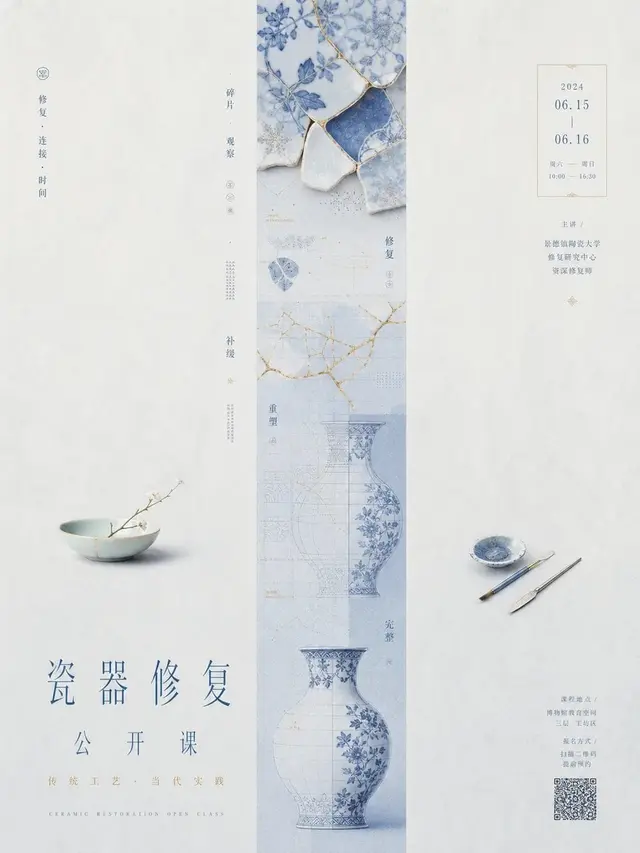
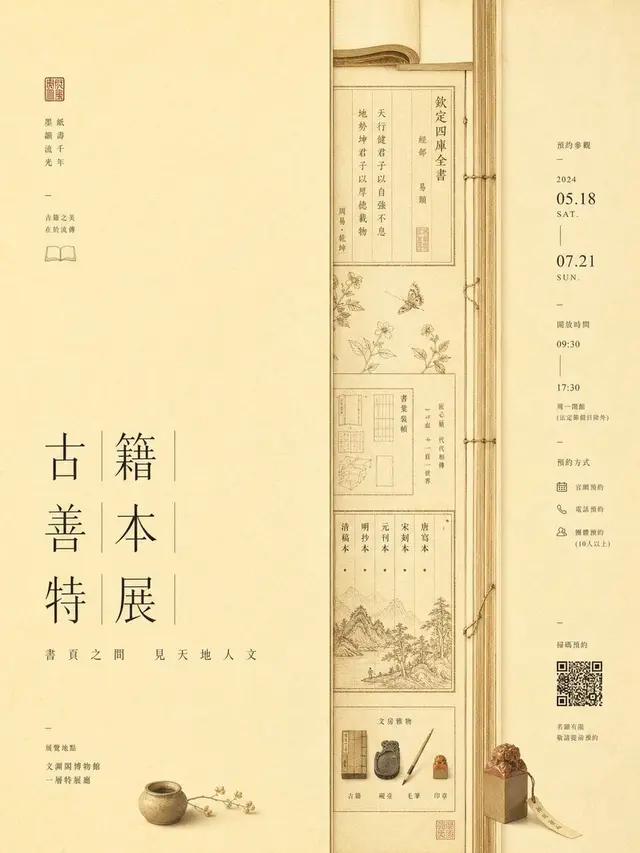
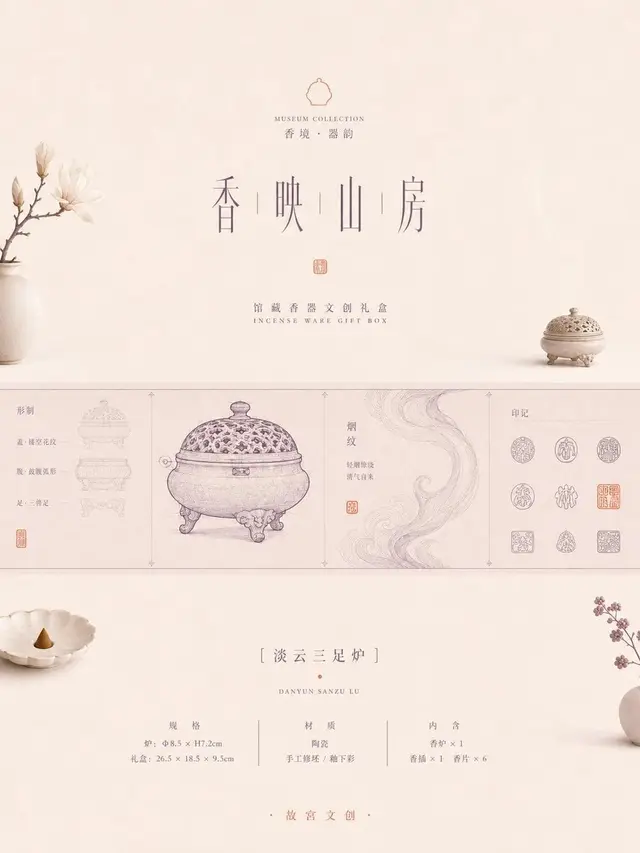
Create a visual image with a quiet and ceremonial atmosphere around any theme object: The image is formed by a large area of thematic background and a central narrow main visual strip, creating a strong columnar order. The main visual strip carries the main forms, linear textures, or image narratives derived from the theme, like a finely framed detailed scene that runs through the reading path; the side backgrounds are kept wide, soft, and breathable, with a few thematic objects or symbols placed as lightweight anchors, making the visual first read the dense details in the center, followed by large titles and grouped information. The theme object should not be displayed in isolation but be decomposed into four roles: main form, attached details, information layer, and small objects, forming a display rhythm of dense in the center, sparse on the sides, and pauses in the text. If text appears, use tall and elegant titles with spacing, forming a silent weight with few words per line; the explanatory text uses small, neat, and restrained blocks, maintaining precise margins with the image, like labels and date information embedded in the color field. The color is extracted from the theme's own material, season, cultural semantics, and emotions, retaining a large area of clear and bright background color, a lighter main visual support color, clear color gradients, a small amount of high saturation accent colors, and a light information text role relationship; the overall image is bright and clean, soft and quiet, with clear boundaries and soft print granularity, textures only add the tactile sensation of the paper and material, not making the image dirty, dark, smoky, or outdated.
 桃子AI画廊Tao Image Gallery