译文
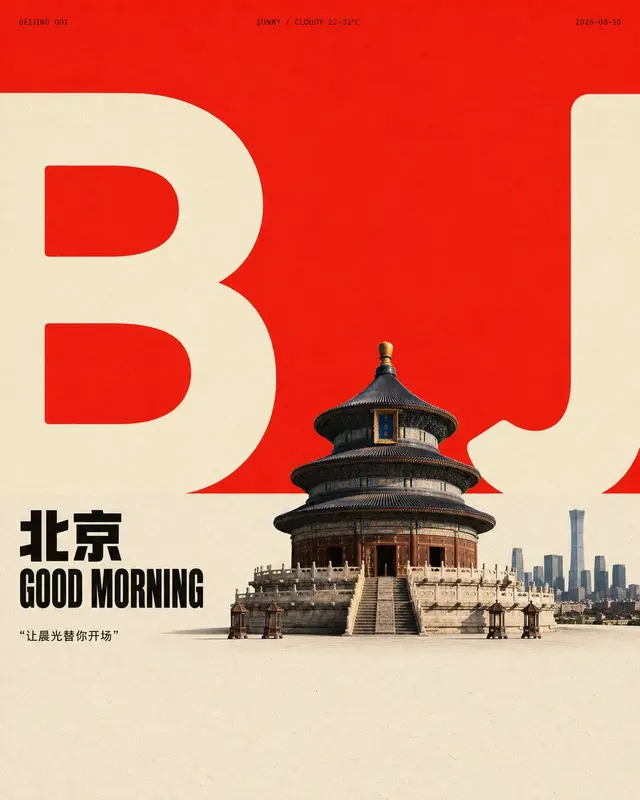
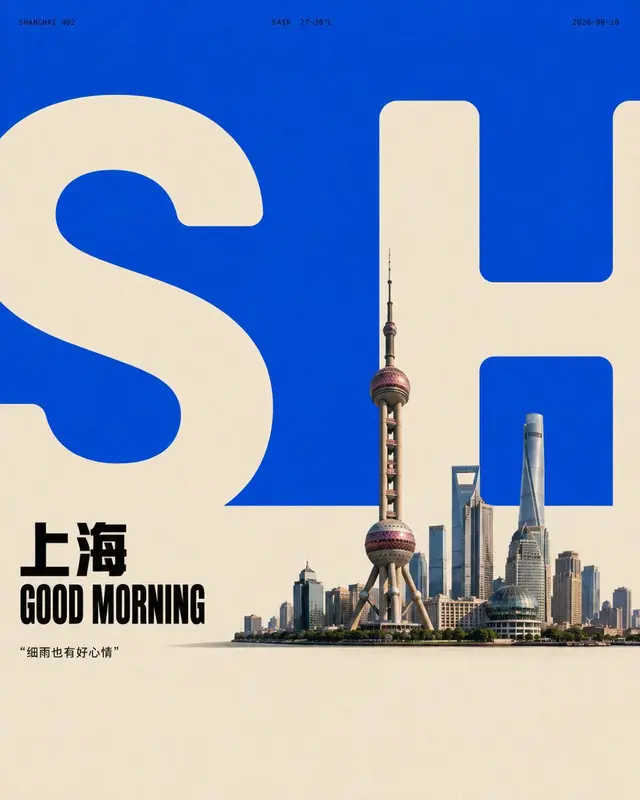
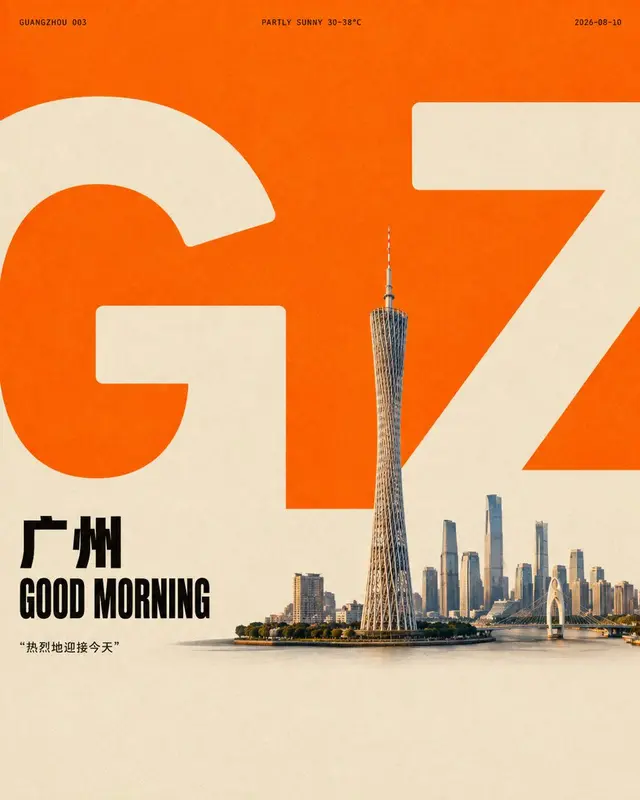
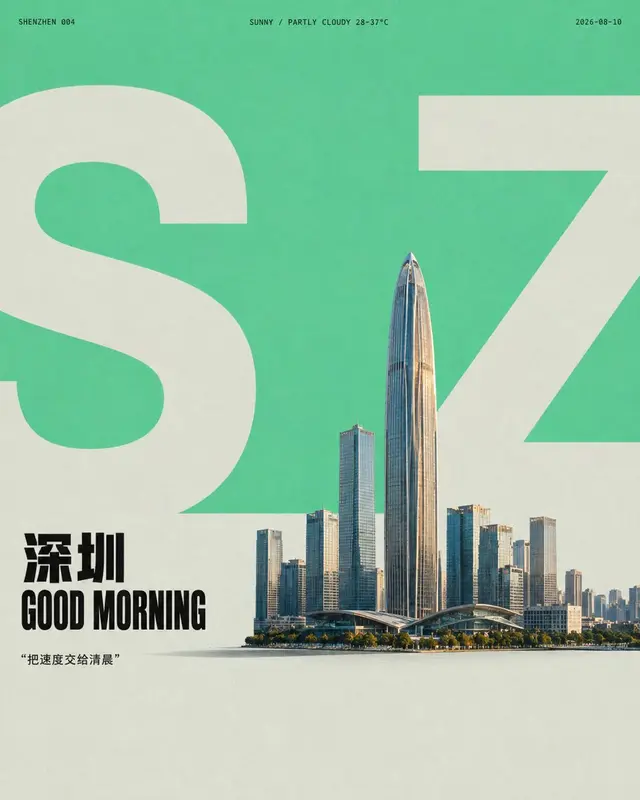
Create a design with a flat poster order and a realistic focal image around any theme object: First, establish an open white space with a large, bright, high-luminance color field at the top, then connect a nearly equal amount of low-saturation light-colored paper area at the bottom, forming a clean and clear horizontal color domain boundary; Translate the core form of the theme into two large, low-detail, thick and round light-colored character graphics, spanning the boundary and bleeding to the left and right edges, retaining clear internal cavities, thickness contrasts, and cut edges that are cut off by the boundary. The graphics are not decorative but rather a scale and visual framework in the background. Compress the main or core object of the theme into a small or medium-sized concrete focus, placed near the boundary, partially obscured by the giant graphics, so that the foreground object, graphic outline, and white space have a clear front and back interweaving; The focus object is represented with natural photography or highly concrete texture, retaining real surface details, soft side-up lighting, short and loose shadows on the ground, and neutral dark tones that do not dominate. On the left side near the boundary, place two lines of short titles related to the theme, using bold, compact, and geometric sans-serif uppercase letters, with tight line spacing and neatly aligned character blocks, forming small areas of strong anchors with black or the deepest structural color of the theme; Add extremely small, wide-letter-spacing metadata and numbered short labels on both sides of the top edge of the giant graphics, forming a sparse editing design rhythm, but the text only serves as order, scale, and information cues, without copying fixed text. Colors are determined by the thematic semantics for hue and material origin, but maintain a high luminance and purity of the main color field for soft light-colored areas, brightness, saturation, and emotional tension. The giant graphics use a lighter or more neutral light color than the light-colored background, and dark text and focus shadows only occupy a small amount; When the theme color temperature changes, maintain large color block contrasts, clean boundaries, and limited emphasis colors, and do not evenly spread the color. The overall look is like a clean flat printing on a matte paper, with fine and uniform fibers and particles on the paper, slight density unevenness in the light-colored background and color field, clear but not overly sharp edges of the real-life object and printed graphics, and clean color domain boundaries. Avoid heavy aging, yellowing, dirt, extra decorations, and modern gradients; Let the background white space, giant graphics, short titles, micro tags, focus objects, and grounded shadows together form a reading path from the large color field to the text and then to the subject. If the graphic occlusion, color domain boundary, or scale contrast is removed, the image should immediately lose this restrained and tense design recognition.
 桃子AI画廊Tao Image Gallery