译文
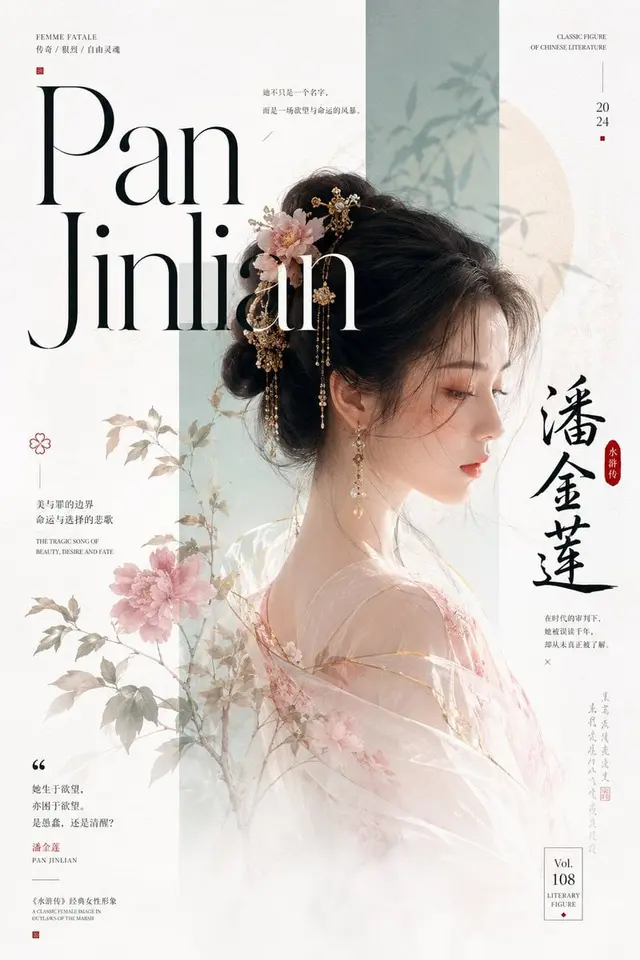
Create a visually serene and editorial-themed image around a specific theme content. Use large areas of high luminance blank space as the main breathing zone. The main character or theme object appears with a near photographic texture, maintaining clean edges and a slightly transparent foggy bottom treatment, making the entity seem to emerge from the blank space. The subject should not fill the entire frame but rather form an offset overlap with the background color field. The background should consist of one or more low saturation, semi-transparent rectangles or strips in the theme color as structural support, with controlled area size and clear boundaries, supporting the subject without overshadowing it. The image hierarchy is established by a large elegant serif title, a brief subtitle, extremely small-sized annotation text, and a few symbolic information markers. The text can partially obscure or interleave with the subject, creating a magazine cover-style reading path, starting with the subject outline, then being drawn to the large text, and finally landing on the small information clusters. Extract the color from the theme's own material, emotion, and narrative, retaining the role proportions of bright base color, clear dark text, soft supporting color field, and a few high purity accent colors, keeping the overall image transparent and serene, cool and precise without being gray and dirty. Accent colors are used only for small blocks, icons, sidebars, or local text, acting like visual coordinates to illuminate the image. The texture of the image should have a slight paper grain, soft light, clean shadows, and a controlled print feel. The information density seems rich but must be concentrated into small blocks, leaving ample blank space around, avoiding decorative stacking, heavy backgrounds, murky aging, and over-saturation.

Theme: Pan Jinlian
Aspect Ratio: 3:4
 桃子AI画廊Tao Image Gallery